


Second half of March, When the plants' rest period draws to a close, is a good time to take stock of how the over-wintering of trees and bushes in the forest garden has passed. Then it is usually easy to see which branches which have passed the winter and those that have not done so. I first post in this series, I wrote that cold stress means that the cells dry out and now you can see this in all clarity. Seedlings that do not have survived the winter look dried-out simply. During the long winter, then the water slowly pulled out of the cells. If you are unsure if a twig alive or not, you can scratch it gently with your fingernail on the bark. Is it green during live branch, it is brown and hard does not it.
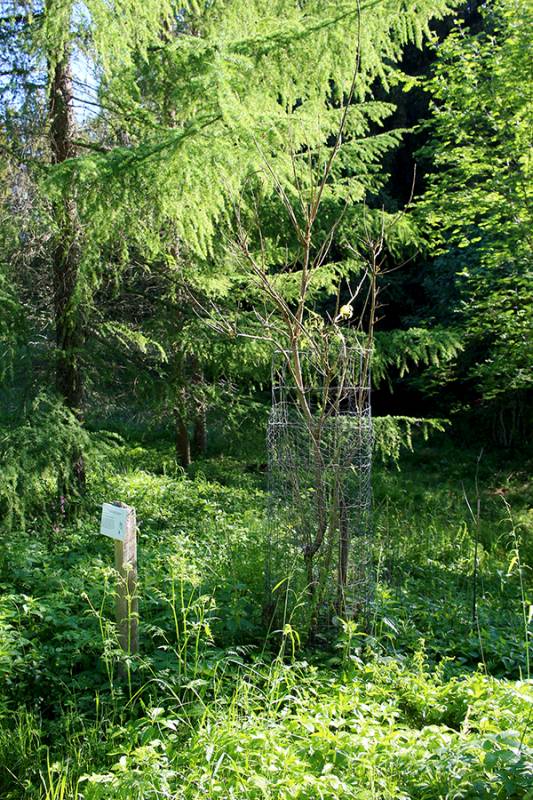
Then it is possible to make a forecast for overwintering in late summer. I usually check extra carefully at the plants that are on the verge retardant terms. The annual growth rate as an indicator of how well the hibernation will be. Plants do not grow too much in one season can be expected to survive the winter better than plants that shoot long rods. It takes energy and time to overwinter in the new wood and the growth is too strong (or autumn unfavorable) you can count with frostbite. Do you see much green wood left in the fall, when invintringen should be completed is a risk that the green parts will not survive the winter.
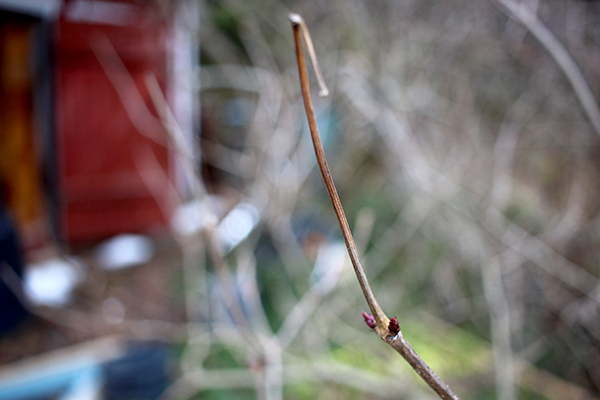
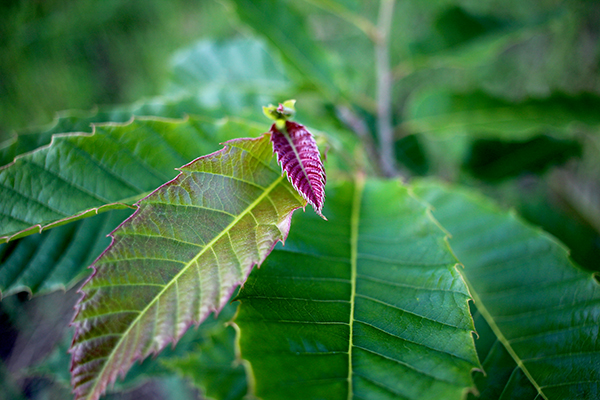
We have a couple of chestnuts (förmodligen Castanea mollissima) originating from Canada and they are exemplary in their growth. It is tight between the buds on their branches and they do not grow more than 20 cm on a seasonal, so that they have so far managed to overwinter in properly every time. Motexemplet is a true elder that I dug up in Germany and happy shooting 2 m long shots every year. It often get frost damage in winter, so even this year.
In summary, therefore determined thermal resistance of woody plants of:
- When cold adaptation initiated,
- how quickly cold adaptation progresses,
- how high cold resistance reached during this process,
- whether the thermal resistance is maintained during the winter and
- how quickly the plant loses thermal resistance as growth takes off in spring.
All this you can then judge by examining årskvistarna both before and during invintringen and early spring, the end of the plant rest period. The plants that survive the winter without damage can be considered fully hardy and it is perhaps those who are worthy to multiply and spread. The wholly or partially freezes back is not hardy and you should either remove them, move them to a more favorable habitat (if possible) or alter the microclimate of the existing plant site, as it was described in the previous post in this series.
Hi.
Where did you get where Canadian chestnuts? Castanea molissima usually said to be very heat consuming so I am very interested to get hold of the same provenance that seems to work fine with you.
Hi! I bought the plants from Wildobstschnecke.de and when I wanted to order more this year showed that in the case of a hybrid between Chinese Chestnut and C. dentata whose mother plant is in Quebec. Unfortunately, they could not obtain more, it was a one-time thing that they had bought from Poland. So unfortunately I have no great tips!
/Philipp
Hi!
Also saw them there Castanea Mollissima, I understand correctly that you live in the growing zone 4? Are they protected?
According to the map, it is the zone 5 here even. The chestnuts stand on a slight south-west slope on the middle clay. They are protected from wind, but not from frost and is doing well so far. The only problem we had with them is field cork barking them. Since I wrote the post, we have been planting another 10 or so chestnuts and all have done well. Whether they will ever be able to flower and bear fruit, however, is unclear.