


I last post I wrote among other things, the strategies that the plants have been chosen to survive the cold winter. For all this to work well, however, requires successful invintringsprocess. Invintringen will start when the days get shorter. Many have probably heard that a sunny and dry autumn is good for invintringen and plants overwinter better in dry soil than damp soil, which is also consistent with what is in the scientific literature. Something that was new to me, however, is that a sunny and dry summer adversely affect invintringen. Plants that have been drought-stressed during the summer, worse overwintering ability than those who have had plenty of water [1].
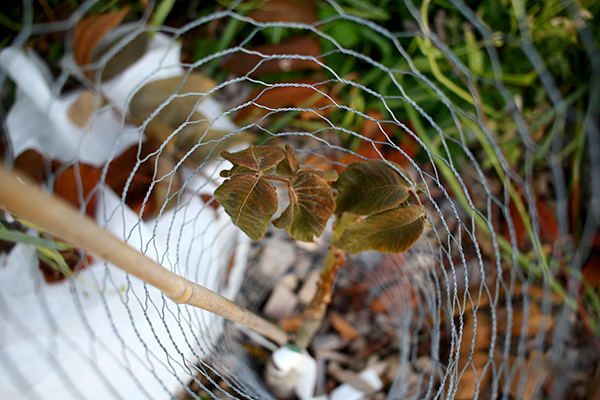
Then it's important to have the temperature during invintringen also. The sugar need to be converted to antifreeze substances and the process will need both a lot of sun to keep photosynthesis at a high level while the temperature must be between 0 and 10 ° C average. Is it warmer than that formed not these antifreeze. Depending on the plant it is and what it is for habitat, weather, etc.. it takes anything between three and 30 days of temperatures between 0 and 10 ° C to get the optimum invintring and thus maximum cold resistance for the specific plant [1]. 2015 should from that perspective, therefore, have been a perfect year, summer was very wet and very sunny autumn (at least here in Stjärnsund) with only 0,5 mm of precipitation throughout October and no really cold nights.
In a previous posts I wrote that I tend to move most of the plants that I have in the pot into the cellar of a frost-free wintering. Something to think about if you do it that way is that it is important that the plants have been overwinter in properly before they moved into. Moving them too early, they develop absolutely no cold resistance in the earth cellar cold dark and gets almost guaranteed problems when they come to life in the spring.
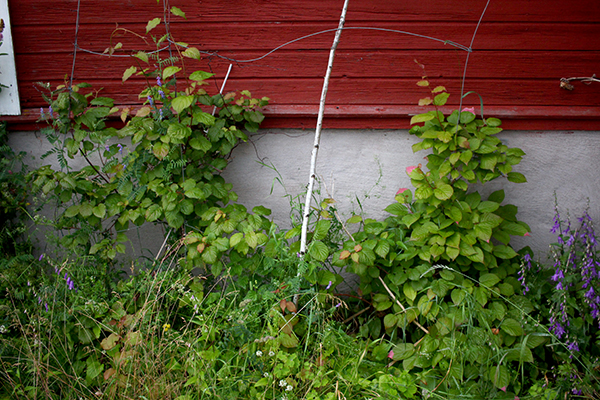
Speaking of our literature also responds to the question of why some plants are exposed to the morning sun may have problems. For example, walnuts and kiwi should not be planted so that they are exposed to direct morning sun. On clear spring nights, when their leaves have already turned out, they lose much heat when exposed to the cold night sky and can freeze. When the sun is then shining on them with all the force before they have had time to thaw, there may be an effect that apparently called photobleaching [2] which means that the chlorophyll breaks down. The effect of this is visible, however, only three to four days after exposure to sunlight, which can be difficult to derive a frosty night that took place a few days earlier. Planting fast growing screen tree is a good way to prevent this potentially devastating effect.
In summary, we as growers only affect invintringen to some extent, But then, the question is also how to ensure that a plant has vintrat properly? More on that in the next post.
Literature
[1] Alden, J.H.R.K., Aspects of the cold-hardiness mechanism in plants. 1971.
[2] Wisniewski, M., C. Bassett, and L. Like, An Overview of Cold Hardiness in Woody Plants: Seeing the Forest Through the Trees. HortScience, 38(5): p. 952-959, 2003.